The Method

We let the instrument tell us what's wrong

A repair should solve a problem you can actually hear. So before we decide anything, we listen — carefully, and with a little help.

Step one

Record it as it arrives

Every string, every fret, plus the open body. It's a boring five minutes but it captures exactly how the instrument sounds the day you hand it over.

Step two

Run the analysis

We feed the recording through a tool we built in-house that reads the frequency response note by note. Buzzes, dead spots, wolf notes, and thin or choked tone show up as patterns on a chart.

Step three

Fix the fault, not the guess

The chart points us at the real cause — a high fret, a loose brace, a badly cut nut — so we work on that and leave everything else untouched.

What the tool is, and isn't

A better set of ears, not a replacement for them

People hear "audio analysis" and picture a machine deciding how to rebuild their guitar. It's nothing like that. The tool doesn't glue, cut, or choose. It measures.

What it's good at is catching the things ears miss: a dead note you'd only notice on stage, a buzz that hides behind a certain chord, a top that's lost its response in one register. It turns a vague "something feels off" into a spot on a chart I can point to.

Every decision after that is still made by hand at the bench, with a file and a straightedge and years of knowing when to stop.
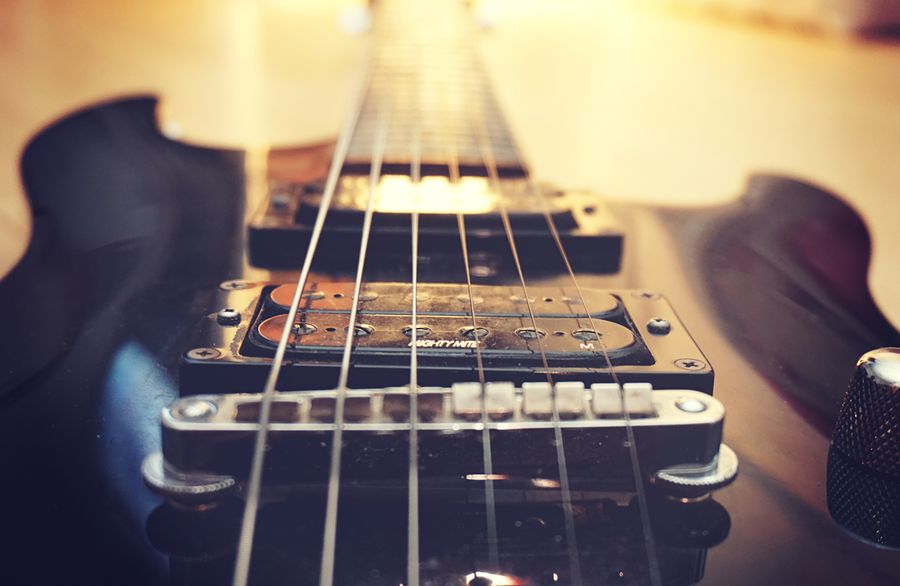
Detail of a guitar neck and fretboard

"The measurement earns you the right to leave things alone. If a part tests fine, it stays — original, worn, and yours."

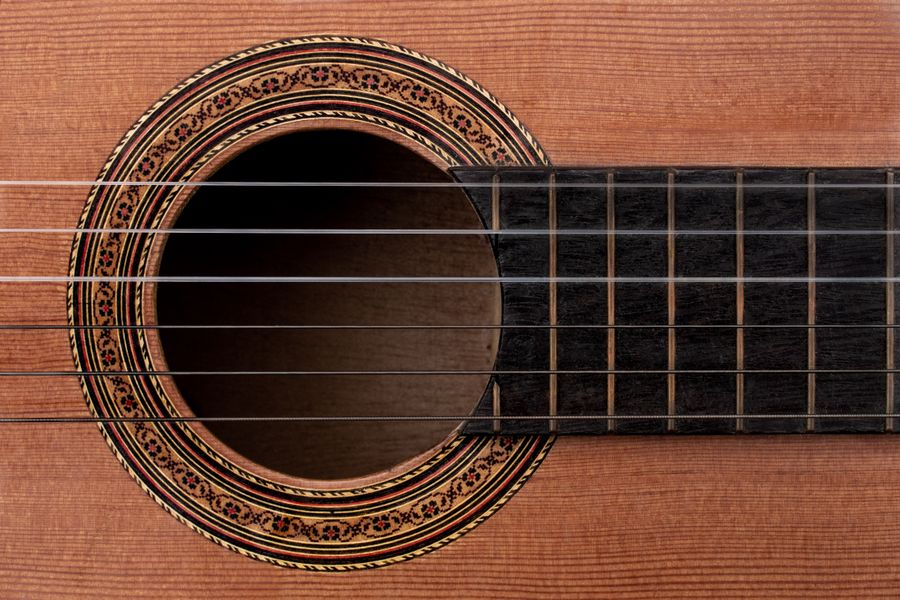
An old acoustic guitar rosette and soundhole in detail
Preserving what's there

The wear is part of the instrument

An instrument that's been played for decades carries its history in the finish, the fret marks, the patina on the tuners. Sanding that away to make it look new is the easiest way to make it worth less and sound less like itself.

So our default is restraint. We repair the structure, solve the playing fault, and keep the rest. When something original can be saved, it gets saved. When a part truly has to be replaced, we keep the old one and hand it back to you in a bag.